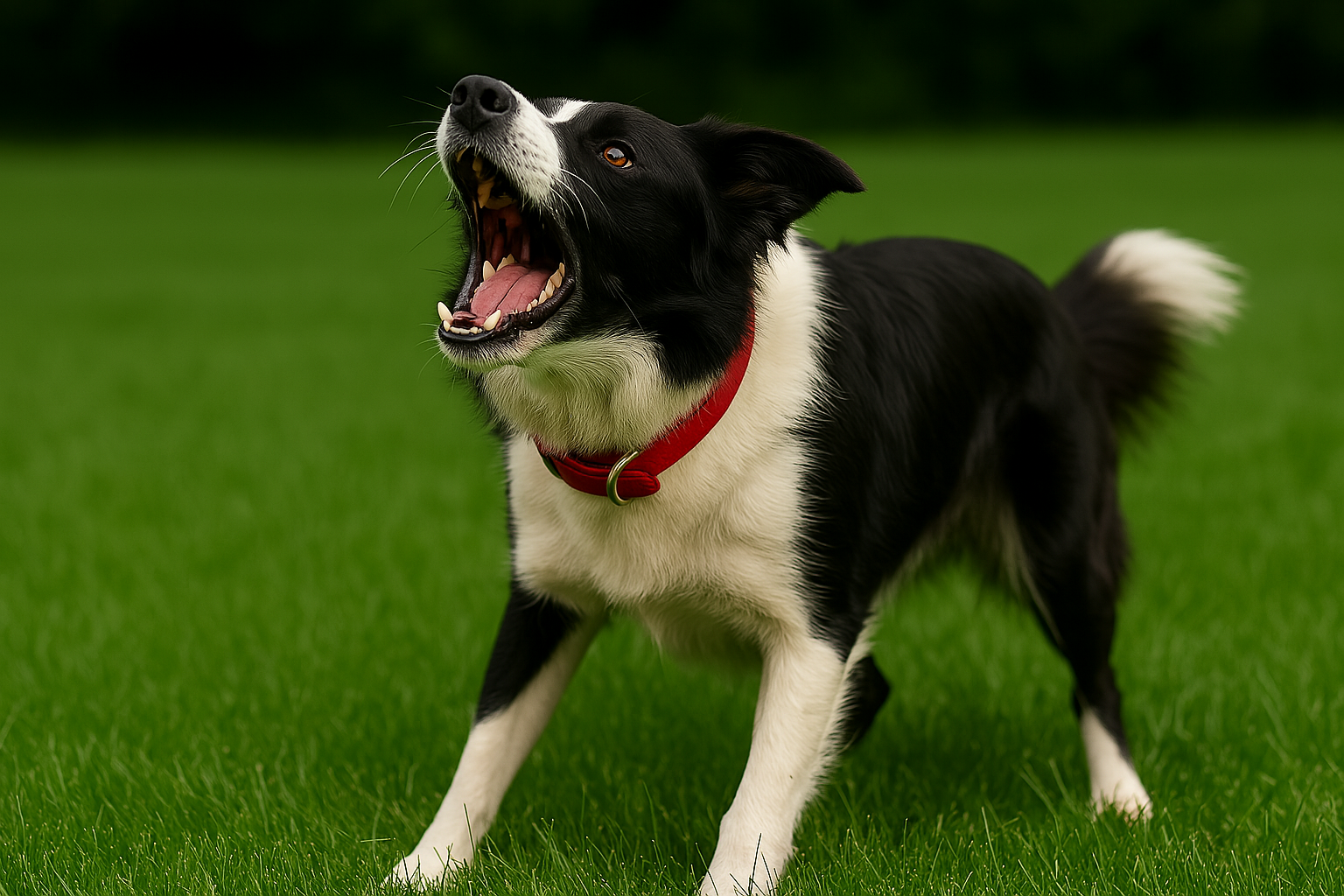

Training Aggressive Dogs: Safe, Proven Techniques That Work
Training Aggressive Dogs with Kindness: Safe, Proven Techniques that Work 🐾
Aggression in dogs can be worrying, especially when it shows up as growling, snapping, or lunging. But it’s important to understand that aggression is often fear-based and rooted in uncertainty—not “bad behaviour” or defiance. The great news is that with the right, positive techniques and professional support, even aggressive behaviours can be gently reshaped into calmer, more confident responses.
Let’s look at how.
🧠 Understanding Aggression
Aggression isn’t about dominance or stubbornness—it’s a communication signal. Your dog may be saying, “I’m scared,” “I need space,” or “I don’t know how to cope.” Punishment or forceful corrections may suppress the behaviour temporarily, but they don’t address the emotional root—and often make things worse. That’s where science-backed, force-free training comes in.
✅ Positive Reinforcement Techniques That Work
Here are some of the safest, most effective training strategies, all grounded in compassion and modern canine behaviour science:
1. Counter-Conditioning
Teach your dog to associate triggers (like other dogs or strangers) with something wonderful, like roast chicken or cheese. Every time the trigger appears at a safe distance, feed a treat. Gradually, your dog starts to think: “That thing I used to fear? It means snacks!”
2. Desensitisation
This involves exposing your dog to their triggers at a level that doesn’t provoke a reaction—just enough to notice, but not panic. Over time, your dog becomes less sensitive and more relaxed around the trigger.
3. Clicker or Marker Training
Use a consistent sound (like a clicker or word such as “yes”) to mark calm or non-reactive behaviour. This helps build a clear bridge between your dog’s good choices and the rewards that follow.
4. Shaping Alternative Behaviours
Instead of punishing growling, teach your dog a positive outlet—like making eye contact or moving behind you when feeling unsure. Reward this replacement behaviour consistently to help it stick.
5. Management & Safety First
Use leads, harnesses, baby gates, or muzzles (positively introduced!) to manage your dog’s environment and keep everyone safe while training is underway. This reduces rehearsal of the aggressive behaviour.
🚨 Don’t Go It Alone
While these techniques are proven, aggression cases should never be handled without professional guidance. A qualified, force-free trainer or behaviourist will tailor a plan to your dog’s specific needs and help you read their body language, pace the training safely, and make progress without setbacks.
For Irish dog owners, we highly recommend Give That Paw is a compassionate, science-based training service specialising in behaviour cases, including aggression. Their team uses only kind, effective methods that help you and your dog build trust instead of fear.
🐕 Final Thoughts
Aggression isn’t your dog “being bad”—it’s your dog calling for help. By leaning on positive reinforcement, patience, and professional support, you can help them find safer, softer ways to cope. It’s not about control. It’s about connection.
Want help crafting a printable checklist or a Q&A section for readers on this topic? I’ve got loads more up my leash!
If you want to chat with one of our recommended Trainers give us a message on instagram today!
Related Posts

A Guide to Licki Mats for Dogs

How to Keep Pets Calm During Halloween

How to Calm an Anxious Dog?

Why Do Dogs Dig? Understanding Canine Instincts & Positive Solutions