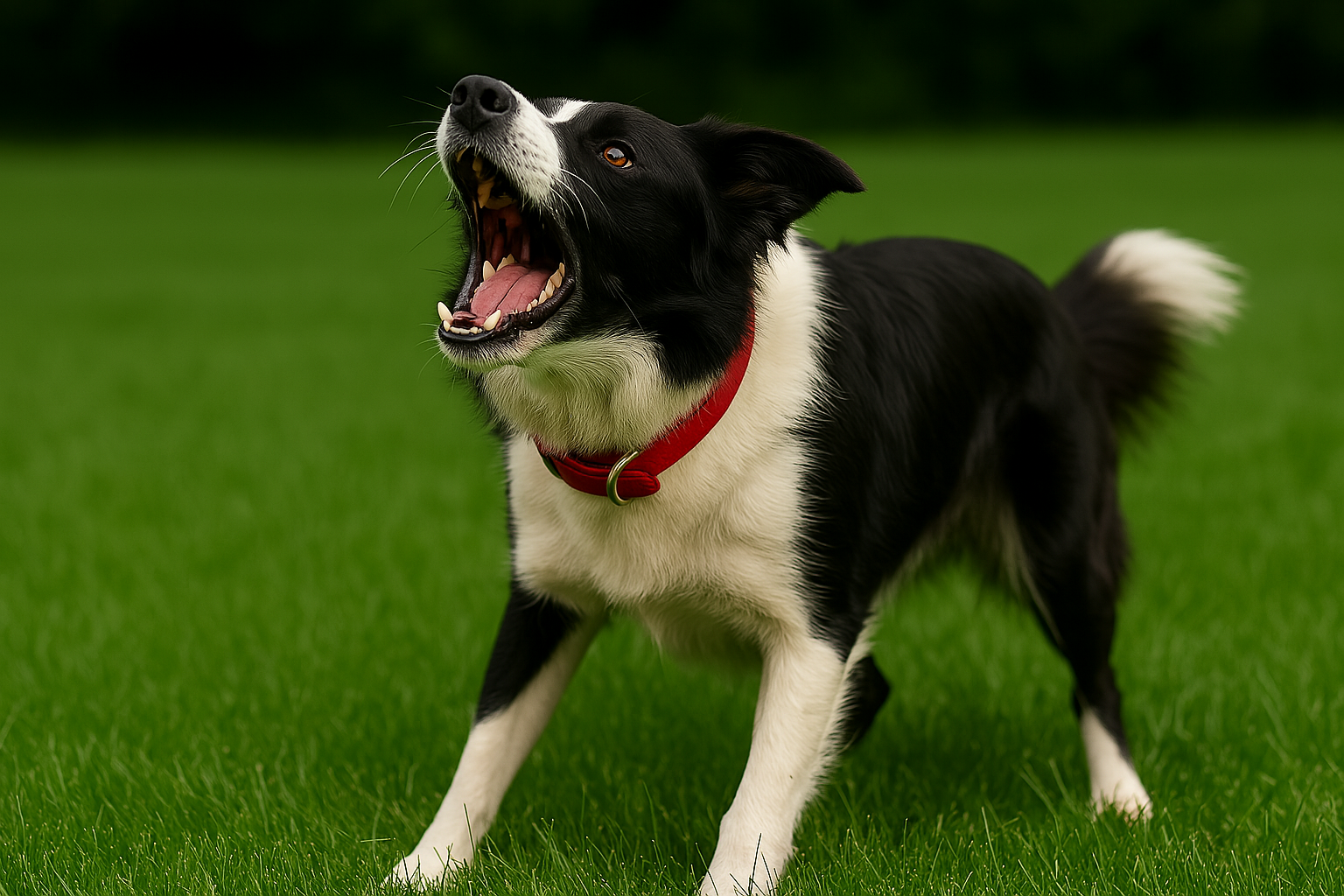

How to Calm an Anxious Dog?
How to Calm an Anxious Dog: Positive Techniques for Peace of Mind 🐾🧘♂️
Dog anxiety is more common than you might think. Whether triggered by loud noises, separation, unfamiliar environments, or past experiences, anxious dogs often show behaviours like pacing, trembling, barking, or hiding. But here’s the good news: with compassion, patience, and the power of positive reinforcement, you can help your dog feel more safe, confident, and calm.
Let’s explore how.
🧠 Understand Before You Train
Anxiety is not your dog being “naughty”—it’s their way of saying “I’m overwhelmed.” Punishment or force will only increase their stress. The goal of training should be building trust and emotional safety through kindness, not control. And remember, if your dog’s anxiety is intense or persistent, always consult a qualified trainer or behaviourist.
Give That Paw is based in Leinster, Ireland, is a fantastic option. They specialise in helping anxious and reactive dogs using only science-backed, positive methods.
✅ Safe & Proven Techniques to Calm an Anxious Dog
1. Create a Calm Space
Set up a cosy, quiet area your dog can retreat to when things feel too much. Add blankets, toys, and items with your scent. Teach them this is a safe zone by rewarding them for choosing to settle there.
2. Use Reward-Based Desensitisation
If certain triggers (like the hoover or fireworks) spark fear, try exposing your dog to them at very low levels and pairing each experience with high-value treats. This gentle process helps change their emotional response over time.
3. Reinforce Calm Behaviour
Catch your dog being calm—even for a few seconds—and reward them. This could be with a soft “good dog,” a small treat, or gentle stroking (if they enjoy touch). The more you reward calm, the more calm you’ll see.
4. Teach Relaxation Cues
Training cues like “settle” or “mat” teaches your dog to lie down and relax on cue. Use soft tones, slow movements, and rewards to reinforce this behaviour in peaceful settings before applying it during stressful situations.
5. Offer Predictable Routines
Routine helps reduce uncertainty, which is a major cause of anxiety. Feed, walk, and rest your dog at roughly the same times each day, and use consistent cues during training to help them understand what’s expected.
6. Provide Mental Enrichment
Anxious dogs benefit hugely from sniffy walks, puzzle feeders, and gentle games that occupy their mind. Mental stimulation can drain stress just as effectively as physical exercise—sometimes even more so.
🐕🦺 You Don’t Have to Do This Alone
While these techniques can make a big difference, some anxiety cases are complex. In these situations, professional guidance is not a luxury—it’s essential. An experienced trainer will help identify the specific cause of your dog’s anxiety, tailor solutions, and progress at the right pace.
Give That Paw is located in Leinster, Ireland, offers in-person support across the region and also provides video consultations for remote clients. Their kind, evidence-based approach helps anxious dogs build confidence without fear or force.
Final Thought: Helping an anxious dog isn’t about quick fixes—it’s a journey of empathy, consistency, and connection. When we listen and lead with love, dogs learn not just to cope, but to flourish.
Why Do Dogs Dig? Understanding Canine Instincts & Positive Solutions
Why Is My Dog Barking Non-Stop?
Related Posts

A Guide to Licki Mats for Dogs

How to Keep Pets Calm During Halloween

Why Do Dogs Dig? Understanding Canine Instincts & Positive Solutions

Training Aggressive Dogs: Safe, Proven Techniques That Work