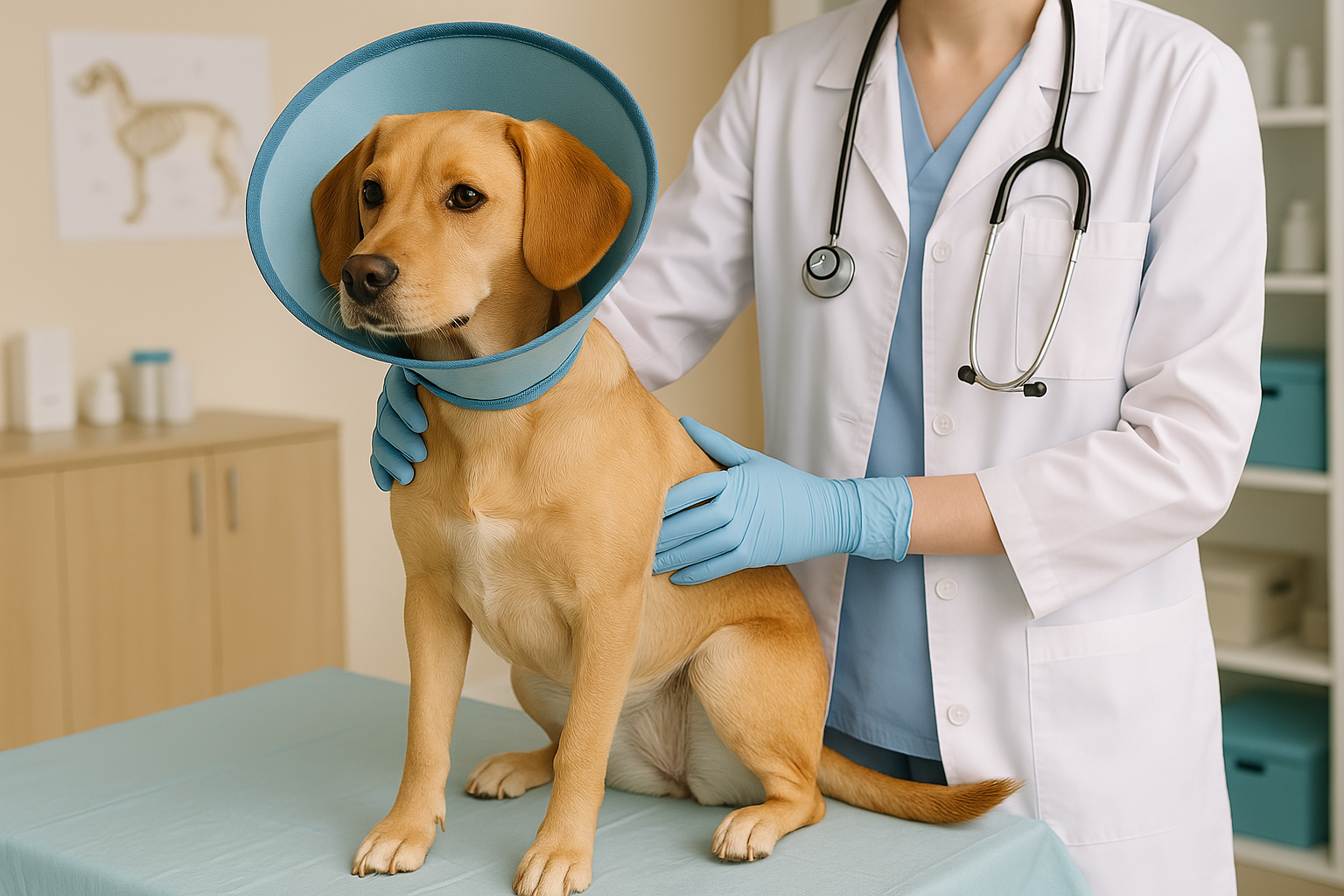

Is Your Dog in Heat? What to Expect and How to Help
If your female dog hasn’t been spayed, she’ll go through a natural reproductive cycle known as "heat" or "estrus." Understanding what this means for both her and you can make the process easier for everyone involved. Here’s a comprehensive guide to recognising the signs, managing her comfort, and ensuring a stress-free experience.
Understanding Your Dog’s Heat Cycle
A dog's heat cycle typically occurs every six months and lasts around two to four weeks. The cycle consists of four stages:
-
Proestrus: The beginning stage lasts around 7–10 days. You might notice swelling of the vulva and a bloody discharge. She won't be receptive to males yet.
-
Estrus: This is the fertile phase, lasting about 5–10 days. Your dog may become more affectionate, exhibit flirtatious behaviour, and show an increased interest in male dogs. Discharge may change to a lighter, pinkish colour.
-
Diestrus: Lasting up to 60 days, this is when she will either be pregnant or return to normal hormonal levels.
-
Anestrus: The resting period before the cycle begins again.
Signs Your Dog Is in Heat
Recognising the symptoms of heat can help you prepare:
-
Swollen vulva
-
Bloody discharge (early on, then lighter later)
-
Frequent urination (marking territory)
-
Change in behaviour – she might become clingy, restless, or agitated
-
Increased interest in male dogs
How to Care for a Dog in Heat
-
Keep her indoors – Avoid contact with male dogs to prevent unwanted pregnancies.
-
Invest in dog nappies – These help with cleanliness and managing any discharge. You can find pet nappies here : click here
-
Give her extra love and reassurance – Hormonal changes can make her more anxious or needy.
-
Maintain good hygiene – Regularly clean her bedding and wipe her down to prevent infections.
-
Monitor behaviour changes – Some dogs may experience mild discomfort or mood swings, so keeping an eye on her reactions can help you provide proper support.
Final Thoughts
Having a dog in heat can be a bit of an adjustment, but with the right care and preparation, it’s a manageable part of pet ownership. The best way to avoid these cycles altogether is spaying, which not only prevents heat but also contributes to long-term health benefits. If you’re unsure whether to spay your dog, it’s worth discussing options with your vet.
Are Probiotics Right for Your Dog? What Every Owner Should Know
Are Probiotics Right for Your Dog? What Every Owner Should Know
Related Posts

How Does Calming Dog Bed Work?

Best Senior Dog Food Ireland

Why Is My Dog Eating Grass?

How To Keep Your Dog Cool & Safe This Week
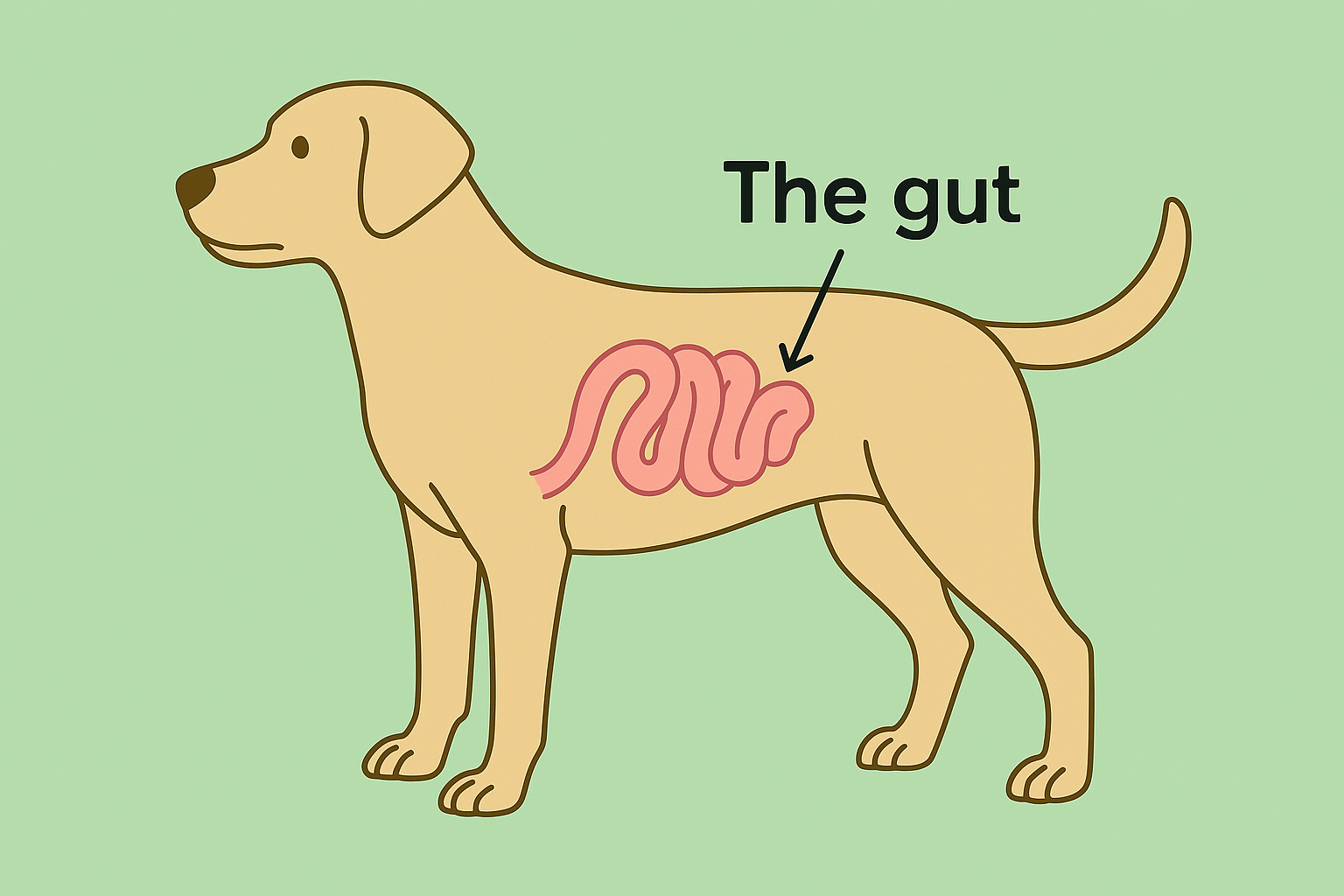
Are Probiotics Right for Your Dog? What Every Owner Should Know
Pain Relief For Dogs: What's Safe? What's Not?